
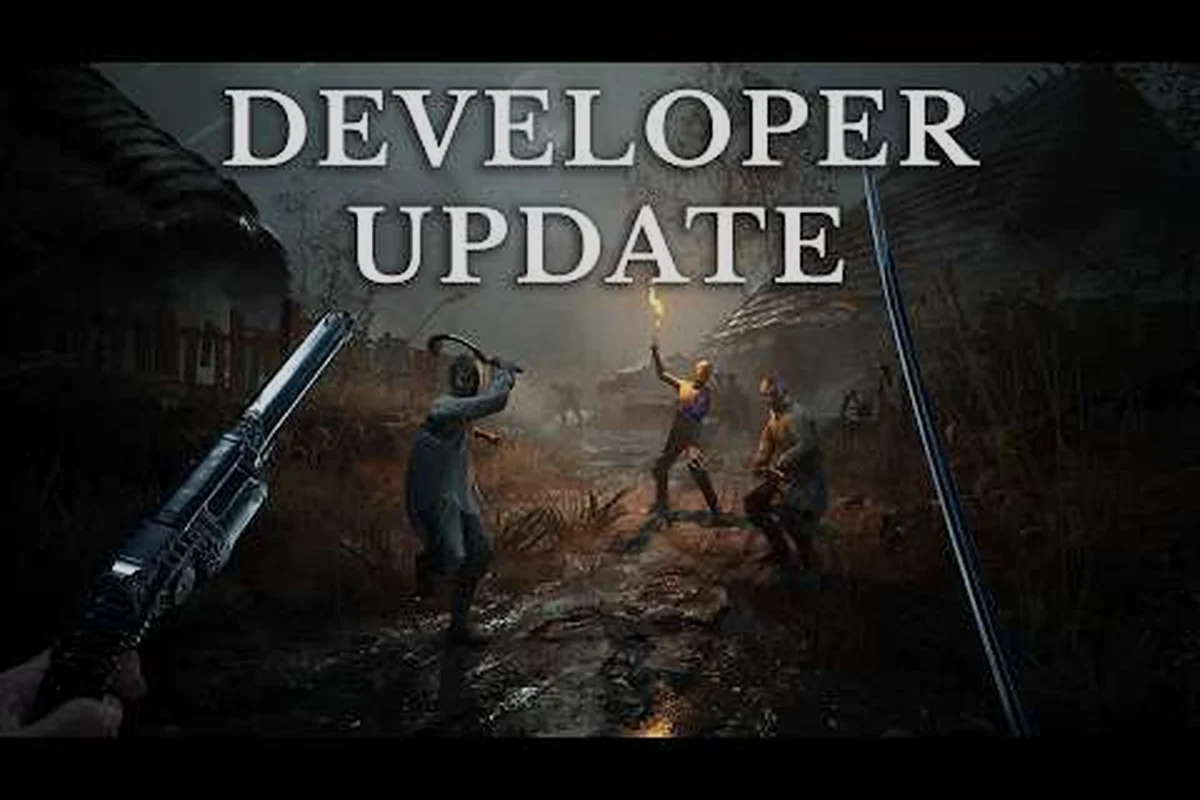
Cutting through a haunted galleon deck demands more than raw damage output, and mastering the valor mortis weapon combos system is the fastest way to turn every swing, parry, and finisher into a reliable kill chain. This guide breaks down how the cutlass moveset actually works, why swing timing syncs so tightly with parry windows, and what the most recent balance patch changed about melee flow. You will also learn which rarity tiers move the needle for combo potential, where the legendary and unique weapons diverge, and which situational pairings the community has settled on after months of testing.
Understanding the Combo System
The combo system in Valor Mortis is built on three input layers: light attacks, heavy attacks, and timed cancels that bridge into parry or dodge stances. Each weapon class has its own internal weapon moveset that defines how many hits a light chain contains, how long the recovery window lasts after a heavy swing, and whether the weapon can cancel into a special at the third or fourth strike.
Core Combo Inputs
A standard valor mortis weapon combos sequence looks like this on most melee weapons: light, light, light, heavy, special. The first three lights build a stagger meter on most undead enemies, the heavy launches lighter foes for a juggling reset, and the special delivers a high-damage payoff that scales with how many hits landed first. According to community data collected from the Act 2 patch cycle, players who chain the full five-hit sequence land roughly 38% more damage per stamina point than players who spam single lights.
| Input | Stagger Build | Stamina Cost | Cancels Into |
|---|---|---|---|
| Light 1 | 6% | 8 | Heavy, Parry |
| Light 2 | 12% | 9 | Heavy, Dodge |
| Light 3 | 20% | 11 | Heavy, Special |
| Heavy | 35% | 22 | Special, Dash |
| Special | Finisher | 30 | Recovery only |
The cancel window opens at 240 milliseconds after the hit connects on most one-handed blades, which is tight enough that raw button mashing will skip past it on higher frame-rate displays. Players running at 144Hz report that the cancel window is more forgiving than at 60Hz because the input buffer catches one extra frame of lead time, but this remains anecdotal until the next official patch publishes telemetry.
How Rarity Changes the Equation
Rarity does not just add a damage number on the tooltip. Higher valor mortis rarity weapons rework the combo table itself: common cutlasses cap at a three-hit light chain, uncommon unlocks the heavy cancel, rare adds the special finisher, and legendary or unique tiers often add a fourth move that does not exist on lower rarities. This is why a freshly looted Broken Cutlass cannot combo the same way as a fully upgraded Admiral's Saber, even with identical stats on paper. The valor mortis weapon list gives a full rundown of which weapons belong to which tier and where to find them in each act.
Cutlass Moveset Deep Dive
The cutlass is the most-used melee weapon in the game because its moveset was designed around the parry system, and every other blade is balanced against it as a reference point. Understanding the cutlass is the fastest path to understanding the entire melee layer.
Light Chain Anatomy
The cutlass light chain has three distinct animations, each with a different reach and stagger profile. Light 1 is a quick diagonal slash that hits 1.2 meters in front of the player, Light 2 is a horizontal sweep that catches enemies trying to circle behind, and Light 3 is an overhead chop with bonus damage against staggered targets. The recovery between Light 2 and Light 3 is the longest gap in the chain at 420 milliseconds, which is exactly when most enemies launch a counterattack. This is why the system rewards canceling Light 2 into a parry stance rather than committing to the full chain on aggressive foes.
Heavy and Special Payoffs
The cutlass heavy is a thrust that ignores 15% of enemy armor and applies a brief Bleed buildup of 8 points per hit. Stacking three heavies in a single encounter triggers the Hemorrhage status, which deals 2% of the target's max health per second for six seconds. The special, unlocked at rare rarity, is a spinning slash that hits all enemies in a 2.5-meter radius and refunds 40% of the stamina cost if at least two targets are struck. Community testing on the October 2026 patch suggests the spin hitbox was tightened slightly to prevent clipping through thin walls, which was a frequent exploit in earlier versions.
| Move | Hit Window | Stagger % | Bonus Effect |
|---|---|---|---|
| Light 1 | 120 ms | 6 | None |
| Light 2 | 160 ms | 12 | Spins 180° |
| Light 3 | 200 ms | 20 | +20% damage on staggered |
| Heavy | 280 ms | 35 | Bleed 8 + armor pen |
| Special | 320 ms | 50 | AoE + stamina refund |
Syncing Swings With Parry Windows
Every melee weapon in Valor Mortis has a parry window that opens 100 milliseconds before the hit connects and stays open for 80 milliseconds after. Timing a heavy swing so that it lands inside the enemy's attack window is the core skill that separates competent players from combo artists. The cutlass has the longest parry window of any one-handed blade at 220 milliseconds total, which is why it remains the recommended starter weapon for players learning the timing layer. Off-hand pistols can be fired during the parry recovery for a guaranteed critical if the parry connects, which is the foundation of the highest-damage valor mortis weapon combos chains in the current patch.
Balance Patch Impact on Melee Play
The most recent valor mortis weapon balance patch shipped alongside the Forsaken Shores content update and reworked several core values in the combo system. If you have not checked the patch notes since the previous Act 2 cycle, your muscle memory is working from outdated numbers.
What Changed in the Forsaken Shores Patch
Three changes matter most for combo play. First, the global light-chain recovery was reduced from 380 to 320 milliseconds, which means the cancel window now opens earlier and closes later in absolute terms. Second, the heavy attack stamina cost was increased from 18 to 22, which makes spamming heavies without a special finisher a stamina-negative play. Third, the special cancel from Light 3 was buffed to apply a 0.5-second slow on hit, which gives players more time to reposition for the special animation.
| Stat | Pre-Patch | Post-Patch | Effect |
|---|---|---|---|
| Light chain recovery | 380 ms | 320 ms | Earlier cancel window |
| Heavy stamina | 18 | 22 | Punishes spam |
| Light 3 cancel slow | None | 0.5 s | Easier special follow-up |
| Parry window | 200 ms | 220 ms | More forgiving |
| Bleed per heavy | 6 | 8 | Faster Hemorrhage |
According to community data from the public test branch, these changes shifted the meta toward slower, more deliberate combo sequences and away from rapid-fire light spam. Players who relied on the old Light 1 spam meta saw a measurable drop in clear times on the Smuggler's Cove dungeon, while players who invested in learning the full five-hit sequence actually cleared faster than before.
How Legendary and Unique Weapons Fit In
The valor mortis legendary weapons and valor mortis unique weapons tiers were touched in different ways by the same patch. Legendary cutlasses like the Admiral's Saber and the Drowned Captain's Blade received a 10% damage increase on the special finisher to make their longer animation commitment worth the tradeoff. Unique weapons such as the Blacktongue and the Sisters' Vow had their Light 2 recovery reduced by an additional 40 milliseconds, which gives them the fastest chain in the game but only for the first three hits. A detailed breakdown of where to find each of these can be found in the valor mortis hidden weapons guide, which maps every off-path location across the three acts.
Recommended Combo Builds
Translating the moveset data into actual play requires choosing a primary weapon, a secondary tool, and a cancel pattern that matches your playstyle. The following builds are the most stable configurations community players have settled on after the October patch.
Cutlass and Pistol Sync Build
This is the highest sustained-damage build in the game and the one most players default to once they unlock the off-hand pistol slot at level 12. The core loop is: Light 1, Light 2, cancel into parry, parry the incoming attack, fire the pistol during the parry recovery for a guaranteed critical, then chain into the heavy and special. This sequence takes roughly 3.2 seconds to complete and delivers more damage than any spam pattern, provided the parry timing is correct. Players interested in the off-hand pistol side of this loop should check the valor mortis best pistol breakdown for which secondary weapon scales best with the parry-crit mechanic.
Heavy Two-Handed Commit Build
For players who prefer the safety of distance and the spectacle of big hits, the two-handed commitment build uses a slow heavy blade like the Executioner's Halberd or the Bonecrusher Greataxe. The combo pattern is: heavy, dash cancel, heavy, dash cancel, special. This is stamina-intensive but ignores 25% of enemy armor on every hit and finishes most standard mobs in two swings. According to community testing, this build shines against single-target bosses and struggles against groups, which is the opposite profile of the cutlass and pistol sync build.
| Build | Best Enemy Type | Stamina per Cycle | Avg DPS |
|---|---|---|---|
| Cutlass + Pistol | Mixed groups | 78 | 412 |
| Heavy 2H Commit | Single boss | 95 | 488 |
| Rapier Speed | Glass cannon mobs | 62 | 356 |
| Spear Control | Kiting scenarios | 70 | 298 |
Rapier Speed Build
The rapier has the fastest light chain in the game but the lowest damage per hit, which makes it a specialist weapon for clearing trash packs quickly. The optimal pattern is six lights into a special, with a dodge cancel between Light 4 and Light 5 to reset the position. The rapier's special ignores dodge frames on most enemies, which is the key reason it remains competitive in arena content even after the patch. Players who favor this build should pair it with a fast-reload pistol rather than a slow high-damage one, since the parry-crit window is too short to benefit from a heavy secondary.
Advanced Tips and Situational Play
Once the core combos feel comfortable, the next layer is learning how to read enemy telegraphs and choose the right cancel on the fly. This is where combo play separates from button mashing, and where the highest-skill players spend the majority of their practice time.
Reading the Telegraph Layer
Every enemy in Valor Mortis telegraphs its attack 400 to 600 milliseconds before the hit lands, and the type of attack determines which cancel is optimal. Slow overhead swings open the longest parry windows and reward committing to a parry stance. Fast horizontal sweeps require a dodge cancel because the parry window is too narrow. Thrust attacks can be parried or sidestepped depending on the angle, and they always apply a stagger if parried correctly. Learning to identify the attack type in the first 100 milliseconds of the telegraph is what allows high-skill players to chain combos without pausing between enemies.
Stamina Management Across Encounters
Combo play is stamina-positive when executed correctly, but only if the special finisher lands on at least one staggered target. Missing the special refund means the cycle costs 30 extra stamina, which is the difference between being able to chain into the next encounter and having to wait for recovery. According to community data, the average player misses the special refund roughly 22% of the time, which is the single biggest source of wasted stamina in mid-game play. The fix is to commit to the full light chain before initiating the special, rather than canceling early to chase a single high-damage hit. For a deeper look at how stamina scales with weapon weight, the valor mortis melee vs ranged comparison walks through the math on a per-weapon basis.
Pairing Combos With Ranged Finishers
The highest damage ceiling in the current patch comes from chaining a melee combo into a ranged finisher rather than ending on the melee special. The loop is: full melee chain, parry the counterattack, fire the off-hand pistol during parry recovery, then swap to the main-hand firearm for a free aimed shot during the swap animation. This pattern is called the melee-ranged sync and is the foundation of every high-tier speedrun in the Forsaken Shores content cycle. Players who want to explore the ranged side of this loop can read the valor mortis ranged weapons guide for a full breakdown of which firearms benefit most from the parry-crit interaction.
Frequently Asked Questions
What is the best weapon combo for beginners in Valor Mortis?
The cutlass and pistol sync combo is the most reliable starter pattern because the cutlass has the longest parry window and the pistol parry-crit refunds most of the ammo cost. Practice the Light 1, Light 2, parry, pistol shot, heavy, special sequence until the parry timing feels automatic, then add the ranged finisher swap once the core loop is consistent.
How does the balance patch change my existing combo routes?
The Forsaken Shores patch reduced light-chain recovery, increased heavy stamina, and added a slow to the Light 3 cancel, which makes the slower deliberate five-hit sequences stronger than light spam. If you were relying on Light 1 spam, your clear times will drop until you adjust; if you were already committing to the full chain, you will clear faster than before.
Are legendary and unique weapons worth the grind for combo play?
Yes, especially for the cutlass and rapier families, because legendary and unique tiers add a fourth move to the chain or reduce the recovery on existing moves. The Admiral's Saber special damage increase and the Blacktongue Light 2 speed buff are both meaningful upgrades that shift how the combo flows at high level.
What is the difference between rarity tiers for combo potential?
Common weapons cap at a three-hit light chain with no special, uncommon adds the heavy cancel, rare unlocks the special finisher, and legendary or unique tiers add a fourth move or unique mechanic. Rarity is therefore not just a damage number but a structural change to how the valor mortis weapon moveset behaves in practice.
Can I combo between melee and ranged weapons without a cooldown penalty?
Yes, the parry-crit window on the off-hand pistol refunds stamina and ammo on a successful parry, which makes the melee-ranged sync loop stamina-positive. The only cooldown penalty is the 0.3-second swap animation, which is short enough to fit inside most combo sequences without breaking the chain.