
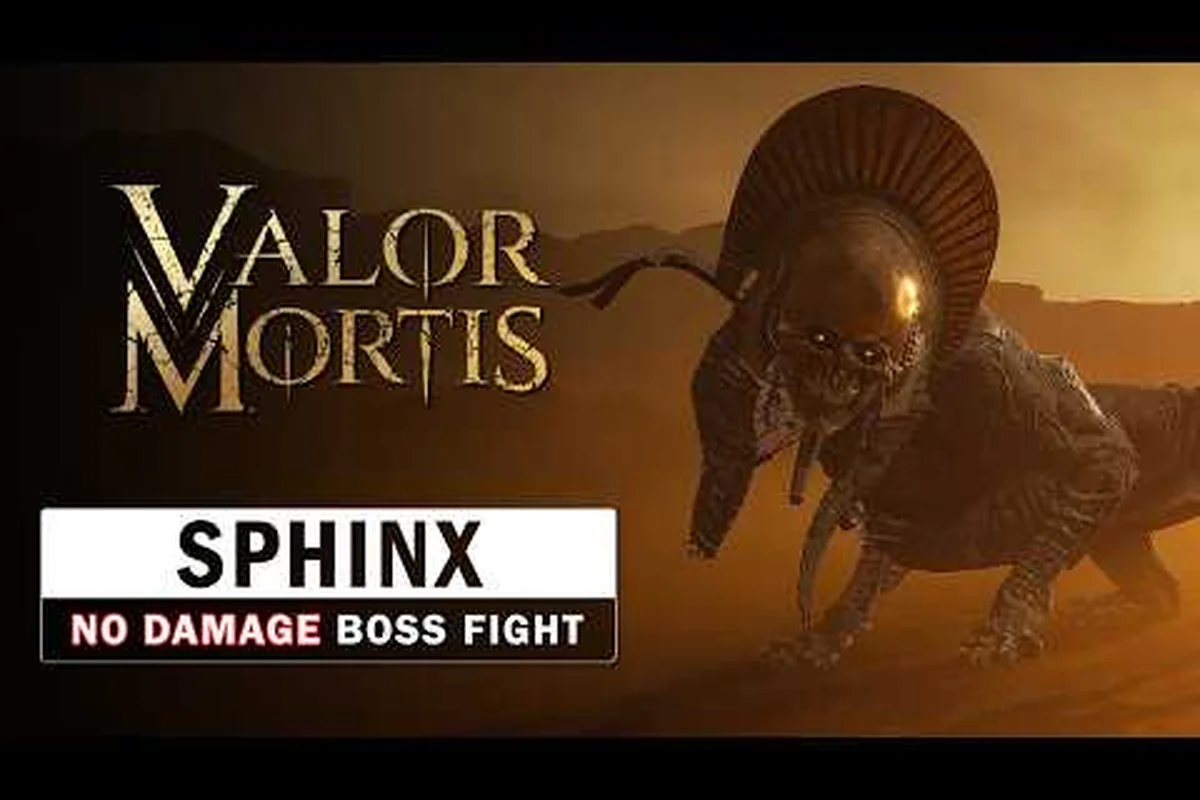
Ranking the bosses in Valor Mortis matters because every major encounter tests a different part of your build, and players who understand the threat order avoid wasting upgrade materials on the wrong resistances. The official Steam page confirms that boss fights include elite commanders of Napoleon's Eternal Guard, plague-corrupted abominations with long reach, and a multi-phase final confrontation with Napoleon Bonaparte that combines parry, dodge, and transmutation mechanics. This ranking breaks down each foe by aggression, punish windows, and reward value so you can plan your route before committing to a fight.
How the Three Boss Archetypes Rank
Valor Mortis structures its boss encounters around three distinct enemy archetypes: corrupted soldiers, plague-spawned abominations, and undead commanders. Each archetype demands a different defensive response, which is why a single weapon setup rarely carries you through the entire campaign. According to the official One More Level page, the game blends first-person camera work with demanding Souls-like combat, meaning positioning and parry timing matter as much as raw damage output.
| Archetype | Primary Defensive Response | Key Combat Mechanics | Recommended Weapon Pairing |
|---|---|---|---|
| Corrupted Soldiers | Parry-focused; tight parry windows punish panic dodging | FPP camera tracking, melee flurry chains | Cutlass + flintlock pistol for stagger interrupts |
| Plague-Spawned Abominations | Dodge-heavy; long reach ignores mid-range spacing | Area denial, extended hitbox sweeps | Ranged flintlock kiting + transmutation ability burst |
| Undead Commanders | Hybrid parry/dodge mix; multi-phase attack strings | Elite Eternal Guard command auras, delayed heavy strikes | Melee weapon with high stagger + hidden ability for phase transitions |
How Boss Difficulty Is Measured
Community testing on the r/ValorMortis hub suggests that players finish the game in about 25 hours, with boss attempts accounting for a significant portion of that time. Difficulty rankings below weigh three factors: aggression uptime, punish window length, and phase transition complexity. A boss with constant pressure but generous parry openings often feels easier than a slow boss with narrow safe zones.
| Boss | Aggression Uptime | Punish Window | Phase Complexity |
|---|---|---|---|
| Corrupted Soldier | Low | Wide | Single phase |
| Plague Knight | Medium | Medium | Two phases |
| Abomination | High | Narrow | Single phase |
| Undead General | Medium | Narrow | Two phases |
| Napoleon Bonaparte | Very High | Variable | Multi-phase |
The table above reflects community-reported averages, though exact timing may shift slightly with future patches. Players consistently rank the Undead General as a mechanical gate because his narrow punish windows punish greedy builds, while the Abomination tests stamina management more than raw reflexes.
Why a Tier List Helps Before You Fight
A Valor Mortis boss tier list helps you allocate limited upgrade resources before each encounter. Because transmutation abilities and weapon durability both factor into long fights, knowing which boss demands ranged pressure versus melee aggression prevents wasted runs. The Valor Mortis enemy guide breaks down the standard mob variants that share attack patterns with these bosses, which is useful for practicing parry timing before the real fight.
S-Tier Threats: Napoleon and the Abomination
The two hardest encounters in Valor Mortis sit at the top of any honest ranking. Napoleon Bonaparte functions as a multi-phase endurance check that combines parry, dodge, and transmutation mechanics, while the Abomination punishes players who rely on a single defensive habit. Both fights demand that you read attack startups rather than react to damage, which separates them from the more forgiving early bosses.
Napoleon Bonaparte: The Final Confrontation
Napoleon's fight is the only encounter that forces you to cycle through every core mechanic the game teaches. The official Steam page describes the final confrontation as a multi-phase fight, and community reports indicate that each phase shifts the boss's aggression pattern and elemental damage type. Players who enter with a balanced transmutation loadout fare better than those who specialize in a single damage school.
Because the fight combines parry and dodge requirements, you cannot simply block through every attack string. The final phase introduces unblockable grabs that require precise spacing, and the transmutation mechanic becomes mandatory for clearing arena hazards. A Valor Mortis hidden ability guide covers the rare transmutation options that make this phase manageable.
The Abomination: Long Reach and Relentless Pressure
The plague-corrupted Abomination earns its S-tier spot through long reach and relentless forward pressure. Unlike the Undead General, who pauses between attack chains, the Abomination strings together sweeping strikes that force constant repositioning. Players report that the fight feels unfair until you learn the arm sweep telegraph, after which the punish windows become clear.
The Abomination's corruption buildup mechanic adds a second layer of difficulty, because standing in its lingering pools reduces your maximum stamina. This forces you to control arena space rather than simply dodge individual attacks. Melee builds struggle here unless they bring a weapon with high durability, since the fight's length drains lower-tier weapons quickly. The Valor Mortis weapon list details which melee options hold up under sustained boss pressure.
A-Tier Fights: Undead General and Plague Knight
The A-tier bosses in this Valor Mortis boss tier list sit just below the top threats, but they still demand respect from underprepared players. The Undead General functions as a mechanical gate that tests parry consistency, while the Plague Knight introduces status pressure that forces build adaptation. Both fights punish players who attempt to brute-force their way through without learning the specific counterplay.
Undead General: The Parry Gate
The Undead General is widely considered the first true skill check in Valor Mortis. His attack strings feature delayed overheads that break the rhythm of early-game parry timing, and his second phase adds a summoned soldier that splits your attention. Community data from the r/ValorMortis hub indicates that players who struggle here typically rely too heavily on dodging instead of parrying.
The General's narrow punish windows mean you cannot trade hits, because his counterattacks deal disproportionate damage relative to the healing resources available at that point in the game. Learning to parry his three-hit combo opens a guaranteed damage window, which transforms the fight from a resource drain into a manageable rhythm check.
Plague Knight: Status Pressure and Two Phases
The Plague Knight ranks in A-tier because his plague buildup forces you to manage a secondary resource during combat. Unlike the Abomination's corruption pools, the Plague Knight applies status directly through weapon strikes, meaning you cannot simply reposition to avoid it. His second phase introduces ranged plague projectiles that punish passive play.
Players who bring plague resistance consumables report a significantly easier time, though the fight remains challenging due to the boss's medium aggression uptime. The key is to stay close enough to interrupt his ranged attacks while maintaining enough distance to avoid his plague nova ability. This creates a spacing puzzle that rewards players who understand the boss's attack cycle length.
B-Tier Encounter: Corrupted Soldier
The Corrupted Soldier sits at the bottom of this ranking, but that does not mean the fight is free. As the first major boss encounter, it serves as a tutorial for the game's core defensive mechanics. The Soldier's low aggression uptime and wide punish windows make it the most forgiving fight on this list, which is intentional design.
What the Corrupted Soldier Teaches
The Corrupted Soldier introduces the parry mechanic in a low-stakes environment. His attacks are heavily telegraphed, and his single-phase design means you never need to adapt to a new moveset mid-fight. According to the official Steam page, the game's boss design escalates from these elite commanders to the plague-corrupted abominations, so the Soldier functions as a baseline for everything that follows.
The fight's main lesson is stamina discipline, because the Soldier's shield bash punishes players who spam attacks without watching their stamina bar. Players who learn to parry the shield bash and punish the follow-up window will carry that skill into every later encounter. The Valor Mortis weapon list notes that even starter weapons perform adequately here, so the fight is more about fundamentals than gear.
Reward Value and Early Game Impact
The Corrupted Soldier drops early transmutation materials that help you establish your first ability loadout. While the rewards are less impressive than later bosses, they arrive at a point where every upgrade matters. Players report that the soldier's essence is particularly useful for unlocking defensive transmutations that make the Plague Knight fight more manageable.
Boss Reward Comparison and Farming Priorities
Not every boss in Valor Mortis is worth farming repeatedly. Reward value varies significantly based on the transmutation materials and weapon upgrade components each boss drops, and some fights offer better time-to-reward ratios than others. Understanding which bosses to farm helps you avoid wasting hours on encounters that do not advance your build.
Reward Tier Breakdown
| Boss | Primary Reward | Secondary Reward | Farm Value |
|---|---|---|---|
| Corrupted Soldier | Early transmutation materials | Basic weapon components | Low |
| Plague Knight | Plague resistance consumables | Mid-tier transmutation | Medium |
| Undead General | Parry-focused ability unlocks | Rare weapon components | High |
| Abomination | Corruption resistance materials | High-tier transmutation | High |
| Napoleon Bonaparte | Endgame transmutation | Unique weapon component | Very High |
The table above reflects community-reported drop patterns as of October 2026, though exact rates may vary by platform. Players on the r/ValorMortis hub consistently recommend farming the Undead General for parry-focused builds, because his drops directly improve the skills needed for later fights.
Which Bosses to Prioritize on a First Run
On a first playthrough, your priority should be progression efficiency rather than farming. The Corrupted Soldier and Plague Knight are mandatory encounters that gate story progression, while the Undead General and Abomination appear in optional side routes that offer better rewards. Players who rush the main path often arrive at Napoleon underleveled, which turns an already difficult fight into a wall.
The Valor Mortis NG+ bosses guide covers how these encounters scale on subsequent playthroughs, including changes to aggression patterns and reward tables. For a first run, focus on learning each boss's core mechanic rather than optimizing drops, because the skills transfer more reliably than any single piece of gear.
Frequently Asked Questions
Which Valor Mortis boss is the hardest?
Napoleon Bonaparte is the hardest boss because his multi-phase fight combines parry, dodge, and transmutation mechanics in a single encounter. The final phase introduces unblockable grabs and arena hazards that force constant adaptation, making it significantly more demanding than the Abomination or Undead General.
Is the Corrupted Soldier the easiest boss in Valor Mortis?
Yes, the Corrupted Soldier is the easiest boss because of his low aggression uptime, wide punish windows, and single-phase design. He functions as a tutorial for parry timing and stamina discipline, which prepares players for the more complex encounters that follow.
What rewards does the Undead General drop?
The Undead General drops parry-focused ability unlocks and rare weapon components, making him one of the best farming targets for melee builds. Community reports indicate that his drops directly improve the skills needed for the Abomination and Napoleon fights, which increases his overall farm value.
How do I beat the Abomination boss?
To beat the Abomination, learn the arm sweep telegraph that opens his punish windows, and manage the corruption pools that reduce your maximum stamina. Bring a weapon with high durability because the fight's length drains lower-tier options quickly, and focus on controlling arena space rather than dodging individual attacks.
Does the Plague Knight require specific gear?
The Plague Knight fight becomes significantly easier with plague resistance consumables, though the boss remains challenging due to his medium aggression uptime and second-phase ranged projectiles. Stay close enough to interrupt his ranged attacks while maintaining distance to avoid the plague nova ability.